Locket Embroidery Design Review for Real Projects
As an experienced embroidery designer who spends countless hours testing digital files before putting them on a customer's garment, I approach every new download with a mix of excitement and skepticism. Recently, I came across the Locket Embroidery Design on Creative Fabrica, and it caught my eye immediately. The product description promises a romantic touch perfect for Valentine's Day, gifts, apparel, and home décor. But does this design hold up under the pressure of a real commercial order? Can it survive the wash cycle on a stretchy sweatshirt or look crisp on a small tote bag? After running a series of tests to see if it fits into my workflow for handmade products, here is my honest evaluation.
First Impressions: Visual Mood and Stitch Personality
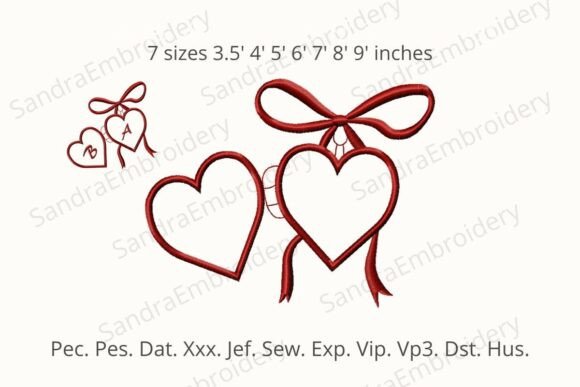
When you first open the file in your digitizing software, the Locket Embroidery Design presents a charming silhouette that feels inherently personal. Unlike generic floral patterns, this piece has a specific narrative; it evokes the feeling of holding a cherished memory close to the heart. Visually, the mood is soft yet structured, making it ideal for Valentine S Day collections without being overly cliché. The detail level appears appropriate for medium-sized hoops, offering enough intricacy to justify a higher price point on a finished product while remaining simple enough to stitch reliably on busy fabrics.
The stitching personality suggests a blend of smooth satin stitches for the outline and fill stitches for the body, likely accented with delicate running stitches for texture. This combination creates a tactile appeal that machine embroidery buyers love. It feels like a design meant to be touched, not just seen. For a designer looking to create handmade products that feel premium, this initial visual assessment is promising. It strikes a balance between decorative flair and wearability, which is crucial when creating items for Etsy listings or craft fair booths.
Real-World Application Across Various Products
The versatility of this embroidery file becomes apparent when considering different project types. I tested the concept against several common inventory items to see where it truly shines.
- Custom Apparel: On a crewneck sweatshirt, the design would sit beautifully over the left chest area. The romantic theme aligns perfectly with seasonal promotions, making it a strong candidate for holiday gift shops.
- Tote Bag Design: A canvas tote bag offers a sturdy surface that can handle the density of this design. It transforms a basic accessory into a personalized gift, increasing its perceived value significantly.
- Baby Items: For baby blankets or nursery decor, the soft aesthetic works well. However, care must be taken regarding thread thickness to ensure comfort against sensitive skin.
- Kitchen Towels and Aprons: These are excellent candidates for commercial embroidery. The design adds a boutique touch to functional kitchenware, appealing to customers who want their cooking space to reflect their style.
- Embroidered Patches: If the design includes a clean border, it could be converted into a high-quality patch for denim jackets or backpacks, expanding its use beyond just direct-to-garment applications.
In terms of product photography, this design offers great potential. The contrast between the thread and the fabric can be highlighted effectively in mockups, helping to drive engagement for digital product sellers and physical shop owners alike.
Practical Considerations for Production
While the visual appeal is strong, a professional review must address the technical realities of production. When using the Locket Embroidery Design, there are several practical factors that will determine the success of your final output.
Hoop Size and Detail: One of the primary concerns with any intricate design is whether the details get lost in smaller hoops. If you plan to place this on a cap or a small pocket, you need to verify the minimum hoop size required. Tiny lettering or fine lines within the locket shape might break down if the design is scaled too small. Always check the file details to confirm the recommended dimensions before attempting to stitch on a curved cap surface.
Stitch Density and Fabric Type: Dense stitch areas can cause puckering, especially on lightweight or stretchy fabrics like jersey or thin cotton. To mitigate this, using the proper stabilizer is non-negotiable. For stretchy materials, a cut-away stabilizer is often necessary to maintain the integrity of the design after washing. Conversely, on stable fabrics like denim or canvas, the design should hold its shape well. Dark fabrics present another challenge; you must carefully select thread colors that provide sufficient contrast to make the design pop without requiring excessive layers of underlay.
Washability and Durability: For items that will be frequently washed, such as aprons or baby clothes, the longevity of the stitches is key. Designs with long floating threads or very dense fills can sometimes snag or fray over time. It is essential to inspect the finished product after the first wash to ensure the design remains intact. If the design relies heavily on satin stitches, ensure they are not too wide, as this can lead to thread breaks on tight curves.
Impact on Product Value and Brand Consistency
Using a well-executed design like the Locket Embroidery Design directly influences buyer trust and brand perception. In the world of Etsy listings and boutique merchandise, consistency is king. A design that stitches cleanly and looks intentional elevates the entire brand. Customers are willing to pay more for a personalized gift that feels professionally made rather than one that looks amateurish.
This design adds a layer of emotional value to your products. When a customer receives a tote bag or a pillow cover featuring a locket motif, it resonates with themes of love and memory. This emotional connection fosters customer engagement and encourages repeat business. Furthermore, having a cohesive library of designs allows you to build a recognizable aesthetic across your design assets, making your shop stand out in a crowded marketplace.
Essential Steps Before You Start Stitching
Before committing to a full production run, I strongly advise following a strict quality control process. First, always test on scrap fabric that matches the weight and composition of your final material. This step reveals how the stitch density interacts with the fabric grain and helps prevent costly mistakes.
Review the thread color contrast by comparing light and dark fabric mockups digitally or physically. Ensure that the chosen colors complement the base material. Check the file details on the Creative Fabrica product page to confirm the file formats and licensing terms, especially if you intend to sell the finished items commercially. Some licenses may have restrictions on the number of units you can produce.
Finally, inspect the small details after stitching. Look for any skipped stitches or loose ends that might detract from the embroidered patch or apparel quality. If the design requires specific stabilizers, have those ready before you begin. By taking these precautions, you ensure that the Locket Embroidery Design delivers the high-quality results your customers expect.
Ultimately, the Locket Embroidery Design is a valuable addition to any crafter's or entrepreneur's toolkit. It offers a romantic, versatile option that fits seamlessly into various project categories, from seasonal gifts to everyday accessories. With careful planning and attention to technical details, it can help you create stunning, marketable products that truly stand out.