My First Easter Bunny Faux Embroidery Review
As an experienced embroidery designer, I am constantly scanning for digital assets that can elevate my seasonal collections. When I first encountered My First Easter Bunny Faux Embroidery, I knew it had the potential to become a cornerstone of my upcoming holiday product line. In the world of handmade goods, especially during peak seasons like Easter, the difference between a standard item and a bestseller often lies in the design's ability to evoke emotion while maintaining professional quality. This review explores how this specific digital embroidery file fits into real-world commercial applications for Etsy sellers, small business owners, and craft fair vendors.
First Impressions: The Seasonal Mood and Design Aesthetic
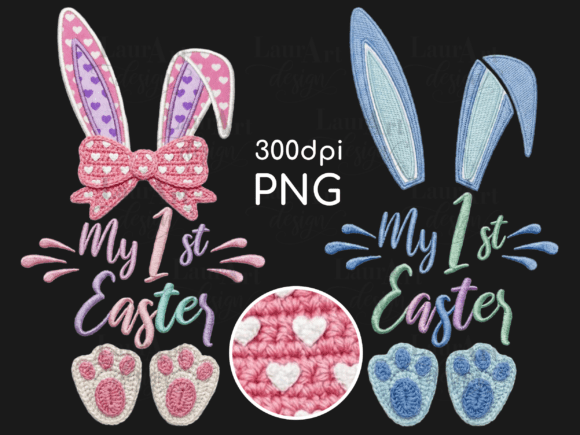
The moment you preview My First Easter Bunny Faux Embroidery, the design communicates a distinct sense of playful nostalgia. It strikes a perfect balance between modern minimalism and cozy, rustic charm. For a designer planning a collection of family matching items or personalized gifts, the emotional tone is crucial. This design does not feel stiff or overly formal; instead, it exudes a soft, inviting energy that resonates with parents looking for "first" milestones for their children.
The faux embroidery style is particularly impressive. Unlike traditional satin stitch designs that can sometimes look rigid on thick fabrics, this design mimics the texture of hand-stitched thread without the heavy density. It captures the whimsical nature of spring holidays perfectly. Whether you are creating pillow covers for home decor or kitchen towel embroidery for a gift bundle, the visual recognition of this bunny motif is strong enough to stand out in a crowded marketplace but subtle enough to remain elegant.
Real-World Application for Holiday Sellers
When building a seasonal shop collection, versatility is key. I have analyzed how My First Easter Bunny Faux Embroidery performs across various mediums suitable for commercial embroidery. On sweatshirts and hoodies, the design offers a delightful pop of color that appeals to shoppers looking for limited-edition apparel. The faux style ensures that the stitching lays flat against the fabric, preventing the garment from feeling too heavy or uncomfortable.
For those selling on platforms like Etsy, this design is ideal for creating cohesive gift bundles. Imagine pairing a set of tote bag design options with matching aprons or baby onesies. The consistency in the design language helps build brand trust and visual identity. Furthermore, when used on embroidered patches or ornaments, the clean lines translate beautifully, allowing customers to purchase unique, handmade-style items without the prohibitive cost of custom work. Social media previews featuring these items will likely see high engagement because the design is inherently shareable and festive.
Strategic Considerations and Placement Limits
While the design is versatile, there are specific scenarios where caution is required. As a professional, I advise testing this design carefully before mass production. Small hoop sizes may struggle to capture the full nuance of the faux stitches if the design is scaled down too aggressively. Tiny lettering or intricate details might get lost on certain textures, so always verify the minimum viable size for your specific machine setup.
Fabric choice is another critical factor. While this design works well on light fabrics, using it on dark fabric requires a solid underlay strategy to ensure the colors pop without bleeding through. Thick towels or dense terry cloth can sometimes distort the stitch density, making the design look muddy rather than crisp. Additionally, stretchy garments like thin cotton tees or curved caps demand precise stabilization techniques. If the stabilizer is insufficient, the finished product may pucker, ruining the aesthetic appeal. Metallic threads should be used sparingly, as they can increase friction and cause tension issues with complex faux patterns.
Maximizing Seasonal Appeal and Buyer Emotion
The right design can significantly impact buyer emotion and perceived value. My First Easter Bunny Faux Embroidery taps into the sentimental desire for memorable keepsakes. Customers are often willing to pay a premium for items that feel personal and thoughtfully crafted. By incorporating this design into personalized gifts, such as naming the bunny or adding a birth date, you enhance the product's uniqueness. This emotional connection drives sales during the short window of holiday shopping periods.
Furthermore, consistent use of high-quality designs fosters customer trust. When buyers receive a handmade gift that looks professionally executed, they are more likely to return for future seasons. The design's clean lines and charming subject matter ensure that your brand remains associated with quality and attention to detail, which is essential for long-term success in the Etsy seller community.
Practical Designer Notes for Production
Before adding My First Easter Bunny Faux Embroidery to your production queue, there are several technical steps every designer must take. First, test your thread colors on both light and dark fabric samples. The contrast ratio is vital for ensuring the design reads clearly. Check the hoop size requirements relative to your final product dimensions to avoid cropping issues.
Proper stabilization is non-negotiable. Using the wrong type of tear-away or cut-away stabilizer can lead to distortion, especially on flexible materials. Create realistic mockups using digital tools to visualize the final result before committing to physical production. This step saves time and material costs. Review small details after stitching to ensure no loose threads or skipped stitches occur, which can detract from the premium feel of the item.
It is also wise to plan matching color palettes that align with current spring trends. Whether you opt for pastels or vibrant hues, consistency helps create a cohesive collection. Finally, always review the Creative Fabrica product details and licensing terms. The guidelines state that when used on physical products, you must watermark the design in digital listings, and digital resale is strictly prohibited. Adhering to these rules protects your reputation and respects the creator's rights.
Conclusion: A Valuable Asset for Your Collection
In summary, My First Easter Bunny Faux Embroidery is a standout asset for any designer looking to capitalize on the Easter season. Its blend of cute aesthetics and professional execution makes it suitable for a wide range of projects, from sweatshirt embroidery to delicate baby items. By understanding its strengths and limitations, and by following proper production protocols, you can create stunning seasonal embroidery products that delight customers and drive sales. Whether you are a seasoned pro or just starting your journey as a small shop product creator, this design offers the flexibility and charm needed to succeed in the competitive holiday market.