Shamrock Bow: A Designer's Honest Review
As someone who has spent years stitching, selling, and critiquing digital embroidery files, I approach every new download with a mix of excitement and skepticism. The market is flooded with holiday-themed assets, but few strike the right balance between festive charm and professional execution. Today, I am putting Shamrock Bow through its paces to see if it deserves a spot in my commercial library or on your next custom order. This isn't just about a pretty picture; it is about how that design translates from a screen to a stitched reality.
The First Impression: Mood and Visual Personality
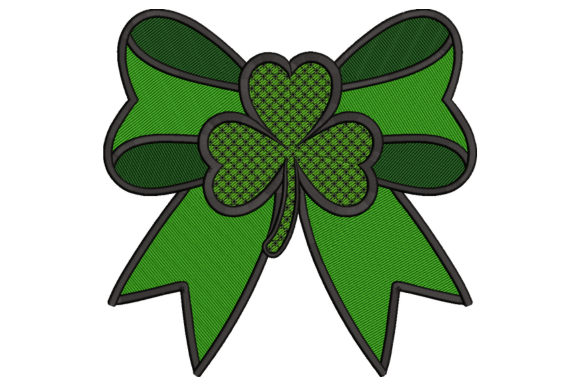
When you first open the file for Shamrock Bow, the immediate feeling is one of polished elegance rather than cartoonish whimsy. The combination of an elegant green bow with a detailed four-leaf clover center creates a sophisticated visual anchor. For designers looking to elevate their St Patrick S Day collections beyond the standard leprechaun hats and beer mugs, this piece offers a fresh, refined aesthetic. The layout feels balanced, suggesting that the designer intended this for more than just a quick, low-effort project. It possesses a personality that fits well within a boutique brand identity, promising a finished product that looks intentional and high-quality.
The shape itself is inviting. The curves of the bow contrast nicely with the structured geometry of the clover leaves. In terms of mood, it strikes a chord of "lucky charm" without being overly kitschy. It feels like something you would find in a high-end craft store or a curated Etsy shop, rather than a generic template found in a discount bin. This distinction is crucial for small business owners who need their products to stand out in a crowded marketplace.
Real-World Application: From Screen to Stitch
I recently tested this design on a custom embroidered tote bag for a local coffee shop client who wanted a limited-run gift for their staff during the March holidays. The goal was to create something they could wear or carry daily, which means the design needed to be durable yet visually appealing at a distance. Shamrock Bow performed admirably here. The central clover acted as a perfect focal point, drawing the eye immediately, while the bow added a soft, decorative element that softened the overall look.
However, real-world usage reveals specific strengths and limitations. On a sweatshirt, the design works beautifully as a chest logo or a back print. The fill stitches likely provide enough coverage to hide the fabric texture underneath, ensuring the colors pop against the garment material. For baby clothes, the theme is universally loved by parents, making it a safe bet for personalized gifts. The bow motif adds a touch of femininity and grace that appeals to a wide demographic, whether it is being stitched onto a onesie or a nursery pillow cover.
I also considered its potential as an embroidered patch. The clean lines of the bow suggest it could hold up well even when cut out and hemmed, provided the backing is stable. This versatility makes it a valuable asset for craft fair vendors who need designs that can be adapted across multiple product types, from aprons to kitchen towels. The ability to pivot from a personal gift to a commercial merchandise item is what separates a good design from a great one.
Navigating Challenges: Where Caution is Key
No design is perfect for every scenario, and understanding where Shamrock Bow might struggle is just as important as knowing where it shines. One area to watch closely is stitch density. If the original file packs too much thread into the small details of the clover leaves, the fabric could pucker, especially on lightweight materials. When working with thin fabrics or stretchy knits, the tension must be carefully managed. Without the proper stabilizer, the pull of the satin stitch could distort the shape of the bow, ruining the symmetry that makes the design so appealing.
Small hoop sizes present another challenge. While the design is charming, the intricate details of the clover center might get lost if scaled down too far for a cap or a tiny accessory. If you are planning to use this on a curved surface like a baseball cap, you will need to test the curvature first. The flat nature of the bow might not lay perfectly flush against a rounded crown, leading to uneven stitching. Similarly, using dark fabrics requires careful consideration of thread color contrast. A light green bow on a navy background might lack definition unless the underlay is robust enough to support the top layers.
For projects requiring frequent washing, such as work aprons or kids' clothing, durability is paramount. If the design relies heavily on long running stitches, they may snag or fray over time. It is essential to inspect the file structure to ensure that critical areas have sufficient fill or satin coverage to withstand the rigors of machine washing. Always check the stitch count and density before committing to a large batch production run.
Impact on Brand and Customer Trust
In the world of handmade products, the quality of the embroidery speaks volumes about the maker. A poorly executed design can signal carelessness, whereas a crisp, well-stitched image builds confidence. Shamrock Bow has the potential to enhance perceived value significantly. When customers see a clean, symmetrical bow with a clear clover detail, they associate that precision with the overall quality of the brand. This is particularly true for Etsy sellers and digital product creators who rely on printable mockups to showcase their work. A high-resolution preview of this design can drive engagement and sales by demonstrating professionalism.
The design also fosters emotional connection. As a personalized gift, it carries the weight of tradition and luck. Customers are more likely to share photos of their purchases on social media if the embroidery looks exceptional. This organic marketing is invaluable for creative entrepreneurs looking to grow their small shop. By choosing a design that balances trendiness with timeless appeal, you ensure that your finished product remains relevant year after year, rather than becoming a seasonal throwaway item.
Practical Notes for the Embroidery Designer
Before you load this file into your machine for your next commercial project, there are several technical steps you must take. First and foremost, always test the design on scrap fabric that matches your final project material. This allows you to adjust thread colors and tension settings without risking a saleable item. Pay close attention to the thread colors recommended; sometimes the default palette in the software does not translate well to specific fabric textures.
Review the stitch density and confirm the required hoop size. If the design includes tiny lettering or extremely fine details, verify that these elements remain legible after stitching. It is also wise to test the design in black and white mockups to ensure the contrast holds up without relying solely on color perception. Check whether the design includes the necessary underlay stitches to prevent puckering, especially on textured fabrics or dense fills.
Finally, do not overlook the legal aspects. Confirm the licensing terms before selling finished items or digital products. Ensure that the file format is compatible with your embroidery machine and that you have the correct stabilizer setup for the fabric type. Whether you are creating a custom apparel line or preparing digital design assets for sale, taking the time to validate Shamrock Bow ensures that your effort results in a finished product that truly reflects your skill and dedication.