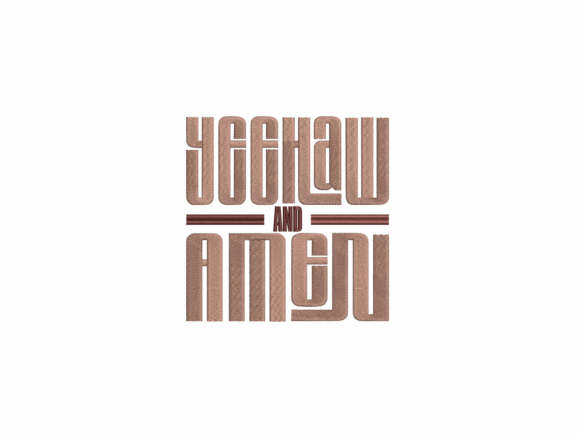
Yeehaw and Amen Embroidery Design Review
As an experienced embroidery designer who has spent years refining digital files for commercial production, I know that selecting the right embroidery file is about more than just aesthetics. It is a strategic decision that impacts brand identity, production costs, and customer perception. Today, I am reviewing the Yeehaw and Amen Embroidery Design, a trendy piece combining western cowboy style with Christian faith-inspired typography. This review focuses on how this design performs in real-world small business applications, from branded patches to staff uniforms.
First Impressions: A Blend of Rustic and Premium
When you first open the Yeehaw and Amen Embroidery Design, the immediate feeling is one of bold authenticity. The fusion of country flair with spiritual messaging creates a unique visual personality that stands out in the crowded market of Fashion accessories. Unlike generic western designs, this piece carries an emotional weight that resonates deeply with specific demographics. It feels professional yet approachable, striking a balance between a rugged, handmade aesthetic and a polished, premium finish suitable for high-end boutique merchandise.
The typography suggests a narrative. It is not merely decorative; it communicates values. For a small business owner looking to create custom apparel or branded goods, this design offers a ready-made story. Whether applied to a hoodie for a rodeo event or a tote bag for a local market, the design projects confidence. It signals that the brand understands its audience, appealing to those who value tradition, faith, and the western lifestyle. This visual consistency is crucial for building brand identity and fostering customer trust.
Real-World Business Applications
The versatility of the Yeehaw and Amen Embroidery Design makes it an excellent asset for various commercial embroidery projects. Small businesses often need versatile design assets that can be adapted across multiple product lines without losing their impact. Here is how this design shines in practical scenarios:
- Embroidered Patches: This design excels as a standalone patch. Imagine a leather patch sewn onto the back of a denim jacket or a felt patch on a canvas backpack. It serves as a powerful conversation starter and a badge of belonging for customers.
- Staff Uniforms and Aprons: For a bakery, café, or boutique, adding this design to apron embroidery adds a touch of personality to the workwear. It humanizes the staff and makes the service experience more memorable. It works particularly well as a chest logo accent or a sleeve detail.
- Cap Embroidery: The compact nature of the text allows it to fit perfectly on the front panel of trucker hats or baseball caps. As a cap embroidery piece, it reinforces the brand's message every time someone wears it.
- Tote Bag Design: In the era of sustainable shopping, tote bag design is a prime marketing opportunity. A large, centered application on a canvas tote transforms a simple bag into a walking advertisement for your brand.
- Event Merchandise: For craft fairs, church gatherings, or rodeo events, this design provides instant thematic relevance. It elevates standard small business merch into collectible items that buyers are eager to purchase.
Furthermore, when used on product packaging accents or as a label on handmade products, the design adds a layer of perceived value. Customers associate high-quality stitching with quality craftsmanship. By using a cohesive design like Yeehaw and Amen Embroidery Design across all touchpoints, you ensure visual consistency that enhances the overall professionalism of your operation.
Strategic Considerations and Limitations
While the design is robust, a professional eye must recognize where caution is required. Not every surface is suitable for every stitch pattern. When planning your production run, consider the following constraints:
- Small Patch Sizes: If you plan to reduce the design for very small patches (under 2 inches), the intricate details of the western style may become muddy. Fine lines might merge, making the text harder to read.
- Curved Surfaces: While great for flat fabric, applying this to the curved front of a cap requires careful digitizing adjustments. Without proper curvature compensation, the text may appear distorted.
- High Stitch Density: Designs with dense fill areas can feel stiff on lightweight fabrics. On delicate materials, the stitch density might cause puckering, ruining the look of the finished product.
- Dark Uniforms and Fabric Texture: On dark backgrounds, the thread colors must offer sufficient contrast. Additionally, highly textured fabrics like heavy tweed or loose-weave wool can hide the precision of the design.
- Frequent Washing: For items that undergo frequent industrial washing, such as restaurant aprons, ensure the design is secured with adequate underlay. Poor stabilization can lead to thread breakage over time.
Impact on Brand Identity and Customer Trust
In the competitive landscape of commercial embroidery, the difference between a generic item and a branded product often lies in the details. The Yeehaw and Amen Embroidery Design does more than decorate; it connects. When a customer sees this design on a hat or a tote, they immediately understand the vibe of the brand. This clarity reduces friction in the buying process and increases engagement.
For Etsy sellers and digital file buyers, using a well-executed design like this signals attention to detail. It shows that you care about the finished product enough to invest in quality digitizing. This perception directly influences buyer engagement and repeat purchases. A consistent, high-quality embroidered mark builds a reputation for reliability and craftsmanship, which are essential for long-term success.
Practical Designer Notes for Production
Before committing to a full production run, I recommend following these critical steps to ensure the best results with the Yeehaw and Amen Embroidery Design:
- Test in Black and White: Convert the design to grayscale to check contrast levels before selecting thread colors. This ensures legibility regardless of the background.
- Check Small Size Viability: Create a test stitch at the intended final size. Verify that the lettering remains crisp and the western elements do not lose definition.
- Review Thread Color Contrast: Select threads that pop against your target fabric. High contrast is key for readability on both light and dark materials.
- Inspect Spacing and Hoop Size: Ensure the design fits comfortably within your machine's hoop size. Check that spacing between letters prevents crowding.
- Test on Real Fabric: Do not rely solely on digital mockups. Stitch the design on the actual fabric you intend to use to assess tension and stability.
- Use Proper Stabilizer: Always match the stabilizer type to the fabric weight. Heavy-duty stabilizers are often needed for thick denim or canvas to prevent distortion.
- Create a Mockup: Use a printable mockup to show clients or stakeholders how the design will look on the final product before sewing begins.
- Confirm Commercial Licensing: Before selling items featuring this design, verify the commercial licensing terms of the digital file. Ensure you have the rights to produce and sell merchandise.
By treating the selection and execution of the Yeehaw and Amen Embroidery Design with this level of scrutiny, small business owners can maximize the return on their investment. Whether you are creating handmade products for a niche market or scaling up production for a larger brand, this design offers a compelling blend of style and substance. Remember, the goal is not just to make something pretty, but to create a lasting impression that drives business growth.